Finnish Indoor Air Health Guide
Expert Tips for Maintaining Healthy Air Quality in Nordic Homes
Winter Humidity Balancing
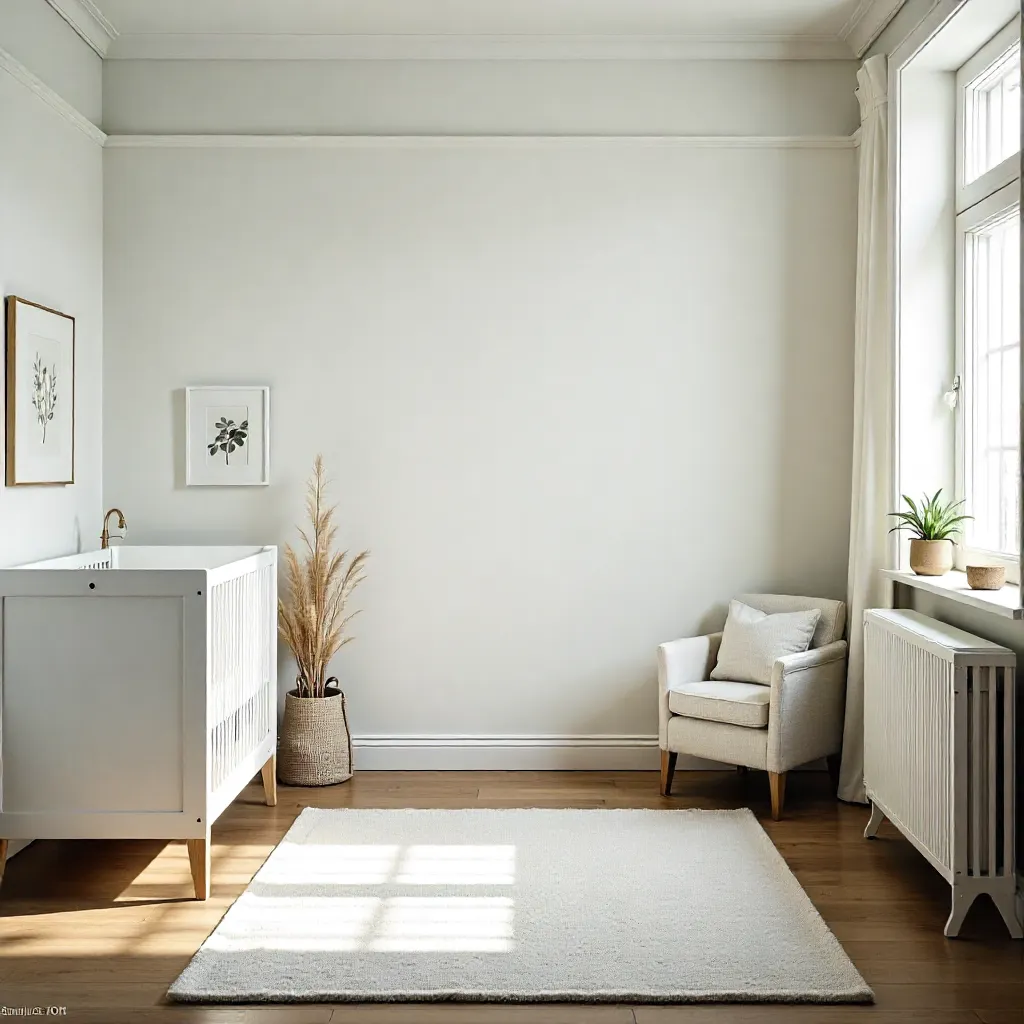
The Challenge
Finnish winters bring extreme cold outside and dry, heated air inside. This creates an environment where humidity levels can drop below 30%, causing discomfort and respiratory issues.
Optimal Humidity Levels
Maintain indoor humidity between 40-50% for optimal comfort and health. This range:
- Reduces static electricity
- Prevents dry skin and respiratory irritation
- Helps filters work more effectively
- Reduces the spread of airborne viruses
Solutions
- Use humidifiers in main living areas
- Place water containers near heat sources
- Monitor humidity with digital hygrometers
- Ensure proper ventilation to prevent excess moisture
Reducing Dust & Micro-Particles
Regular Cleaning Practices
Establish a cleaning routine that minimizes dust accumulation:
- Vacuum with HEPA-filtered vacuum cleaners
- Dust with microfiber cloths that trap particles
- Wash bedding weekly in hot water
- Remove shoes at the entrance
Airflow Management
Proper airflow patterns reduce particle concentration:
- Keep air vents unobstructed
- Use ceiling fans on low speed
- Open windows briefly for air exchange
- Position furniture away from air intakes
Filter Maintenance
Well-maintained filters are essential for dust control:
- Replace filters according to schedule
- Check filter condition monthly
- Use appropriate MERV ratings for your system
- Consider pre-filters for heavy dust areas
Preventing Mold Without Overheating
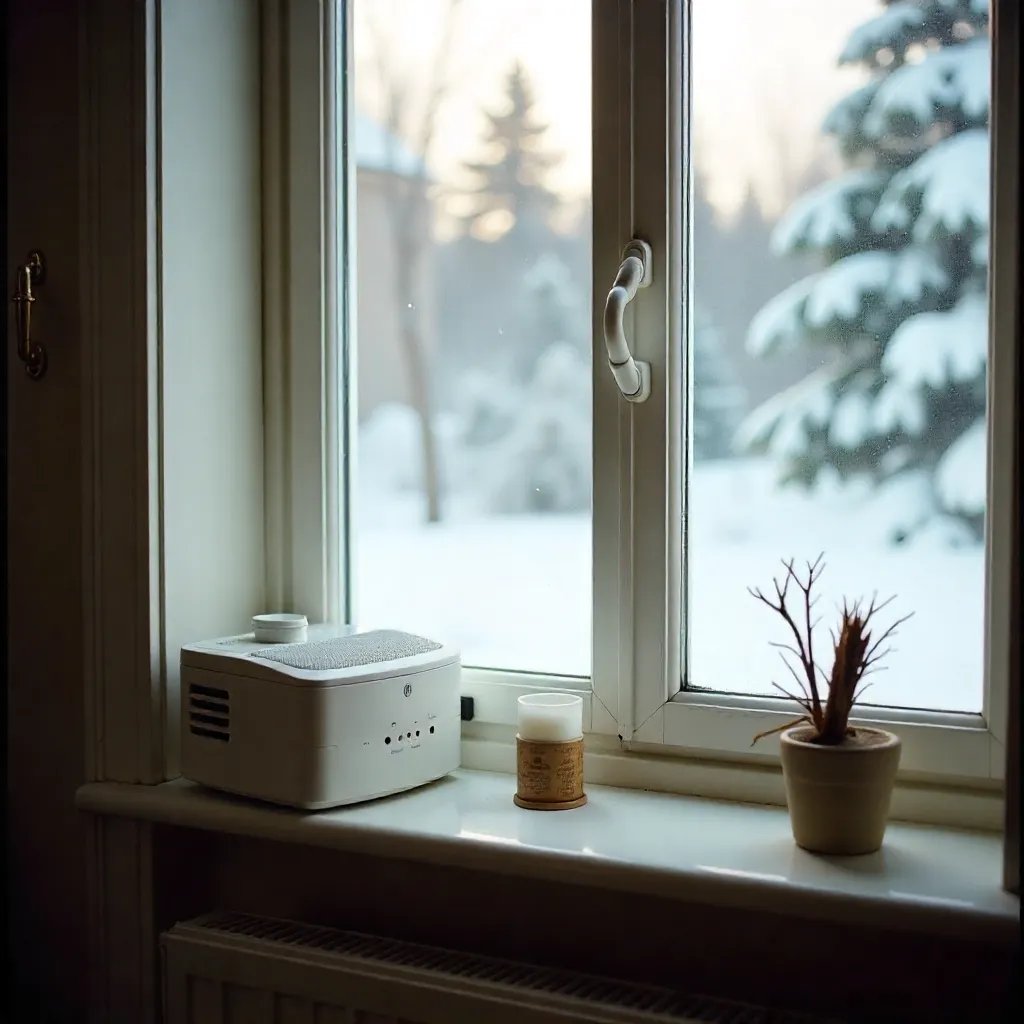
Ventilation Strategy
Proper ventilation prevents moisture buildup without excessive heat loss:
- Use mechanical ventilation systems
- Install exhaust fans in bathrooms and kitchens
- Ventilate during cooking and showering
- Use heat recovery ventilators (HRV)
Temperature Control
Maintain consistent temperatures to prevent condensation:
- Keep indoor temperature at 20-22°C
- Avoid cold spots near windows
- Insulate windows and doors properly
- Use programmable thermostats
Moisture Sources
Identify and address common moisture sources:
- Fix leaks immediately
- Use dehumidifiers in damp areas
- Dry wet areas within 24-48 hours
- Monitor humidity in basements and attics
Airflow Patterns in Finnish Apartments
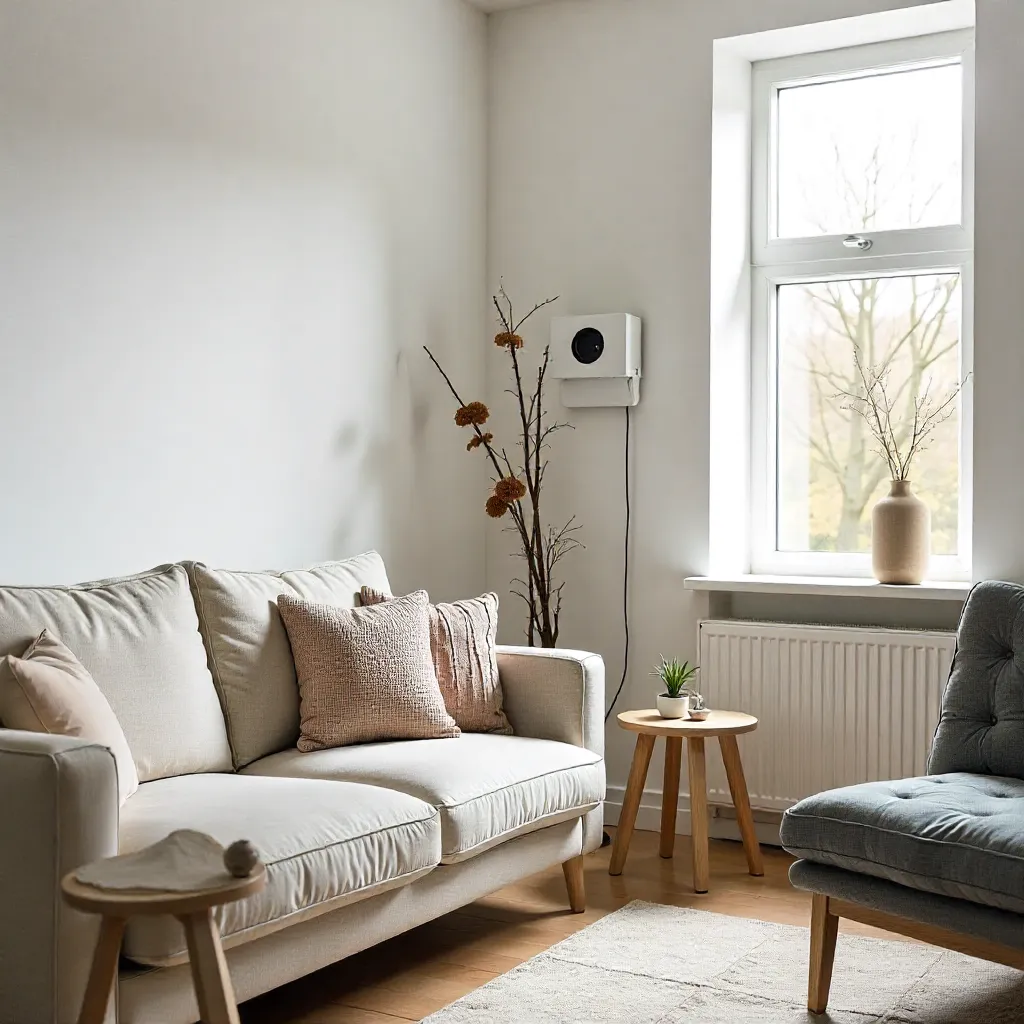
Understanding Air Movement
Air naturally moves from high pressure to low pressure areas. In Finnish apartments, understanding this flow helps optimize filter placement and effectiveness.
Warm air rises, creating natural convection currents. Position air intakes and filters to work with these patterns for maximum efficiency.

Optimal Filter Placement
Place filters at air intake points to capture particles before they circulate. In forced-air systems, filters should be:
- Located at the main air handler
- Accessible for regular maintenance
- Properly sized for the system
- Sealed to prevent bypass
Best Practices for Allergy Sufferers
Bedroom Optimization
Create an allergy-free sleep environment:
- Use allergen-proof mattress covers
- Wash bedding in hot water weekly
- Keep pets out of bedrooms
- Use HEPA air purifiers
Seasonal Preparation
Prepare for peak allergy seasons:
- Replace filters before pollen season
- Keep windows closed during high pollen days
- Shower after outdoor activities
- Monitor local pollen forecasts
Daily Habits
Simple daily practices reduce allergen exposure:
- Vacuum regularly with HEPA filters
- Use doormats to trap outdoor allergens
- Change clothes after being outdoors
- Maintain consistent filter replacement schedule
Ready to Improve Your Indoor Air?
Learn about filter maintenance and replacement schedules to keep your air quality optimal year-round.
View Maintenance Guide